Table of Contents
- Turning Back Is a Logistics Decision, Not a Relationship Verdict
- A Sentence That Lets Someone Stop Without a Speech
- No One Walks Back Alone
- When It Is Really About the Group
- Regroup and Decide Without a Huddle
- The Debrief on the Way Home
- What Not to Make Turning Back Mean
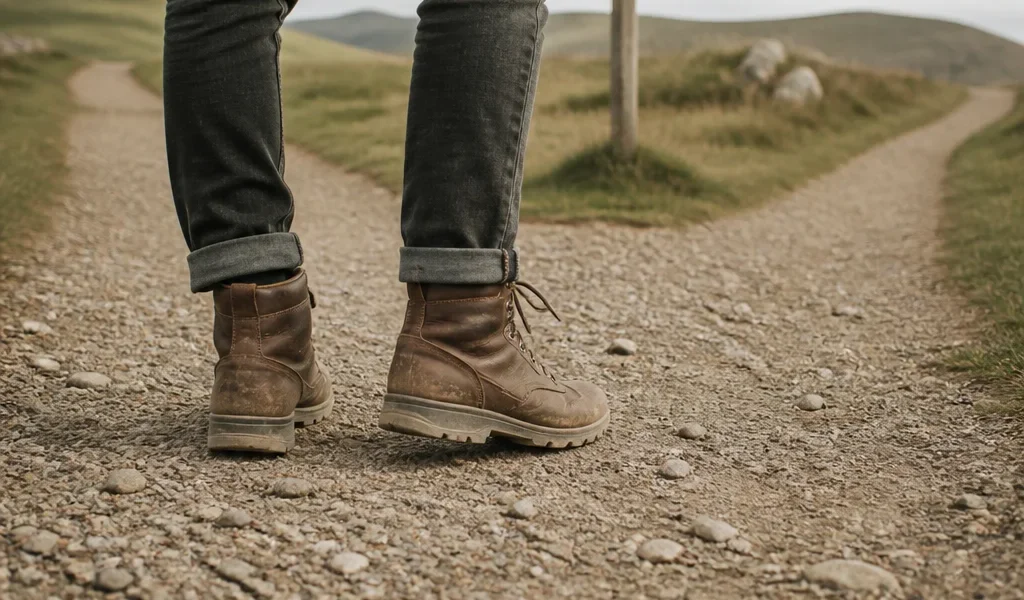
Someone slows, then stops, then says they think they will turn back. In a group that includes partners, metamours, and a person who met everyone a fortnight ago, that one sentence can land like a verdict. It usually is not. Most of the time turning back is about a boot rubbing, a long week, the weather closing in, or a perfectly reasonable wish to be home before dark. This guide is for the moment itself, and for the people standing next to the person who said it.
The organiser’s side of this day is a different job entirely: route, guest list, pace groups, regroup points, the ride home. That is the view from before anyone leaves. This one is the view from halfway up a path, where there is a decision to make in about thirty seconds and no document to consult. The two fit together, but they need different answers, and mixing them up is how a rest stop turns into an inquest.
A boundary on scope. This is general information for adults, not medical, legal, or outdoor-safety advice. Pain, breathlessness, the weather, and fatigue are real signals that belong to the person feeling them and, where it matters, to a qualified professional. NHS guidance on exercise is a plain-language outside reference for the general point about listening to your body; it is not a diagnosis and this article is not one. Nothing here invents figures or promises how any afternoon will end.
Turning Back Is a Logistics Decision, Not a Relationship Verdict
Start from the boring explanation and stay there until something rules it out. A blister, a tight calf, a meeting the next morning, a phone that is nearly flat, a layer that is not enough for the wind: all of these are ordinary, and none of them are about anyone else in the group. Ask ‘are you done for the day, or would ten minutes help?’ and accept whichever answer comes. Turning back does not need a better reason than that.
The alternative, treating the sentence as a coded message about the relationship, is where the damage starts. A partner who hears a withdrawal as a comment on them will often push for reassurance, and the person who is simply tired now has to manage someone else’s feelings as well as their own feet. Withdrawing consent is the clearer general principle: a change of mind does not need a justification that satisfies the group. Enthusiastic consent cuts the other way too, because a yes given to keep the peace is not much of a yes.
| Do | Don’t | Why |
|---|---|---|
| Take the plain reason at face value | Ask what the decision ‘really means’ | A question like that turns fatigue into a statement about the group |
| Offer ten minutes and a shorter way back | Insist on finishing the loop together | Two ordinary options are kinder than one expected outcome |
| Accept a no without a follow-up | Request a reassurance that everyone is fine | Being asked to reassure the group is its own small burden |
| Let the person set the pace of the conversation | Open a discussion in front of eight faces | A private decision stays private when nobody makes it public |

An audience tends to make a tired person choose worse, not better – the broad point behind the APA material on stress. Reduce the number of people watching before you ask anything. APA on communication supports keeping it to one short question, and Psychology Today on relationships is a softer general read if you want more context.
A Sentence That Lets Someone Stop Without a Speech
Give the group one neutral line to use, and give the person one neutral line to use back. Neither should contain the word ‘why’. ‘No problem, we will sort the groups at the next junction’ is enough from the organiser; ‘I am going to head back, I will message when I am at the car’ is enough from the walker. Short lines stop a small decision from turning into a group discussion, and they give everyone something to say who does not want to improvise under pressure.
People want different things in that half-minute: one prefers a kindly change of subject, another a straight handover of the plan. Different communication styles explains the gap, and either response works so long as nobody invents a motive for the walker. Difficult conversations can wait for another day. womenshealth.gov on relationships and safety is a useful outside source on why a yes produced under pressure is not really a yes.
- ‘No problem, we will sort the groups at the next junction.’ – a plan, not an invitation to explain.
- ‘I am going to head back, I will message when I am at the car.’ – information, not an apology.
- ‘Take the left fork, it is the shorter one, and we will see you at the cars.’ – a change of subject that is still kind.

Deciding on those lines in advance is most of what managing expectations amounts to. First-timer etiquette and the general etiquette guide look at it from the newcomer’s side: the person least sure of the group should not also have to compose the graceful exit.
No One Walks Back Alone
Agree before setting off that nobody heads back on their own, and that nobody is left behind to walk solo because everyone else went on. Two people turning back together is a plan; one person turning back alone is a loose end. If the group is small, the cleanest option is often that the whole group takes the shorter way back together, and there is no shame in that being the outcome.
This is the practical version of care that is enthusiastic rather than assumed. It also quietly deals with couple privilege: without a rule, an established pair may carry on together while a newer person is the one who ends up walking back with a stranger or by themselves. Advocating for yourself as a secondary partner and self-worth in non-monogamy are the longer reads. On a trail the fix is just a number, and the number is two.
- Agree the rule before the walk starts, so nobody has to negotiate it while tired.
- When someone wants to stop, name who is going with them rather than asking for a volunteer.
- Confirm the shorter route and the meeting point out loud, in one sentence, before either pair moves.
- Send one message when both are back at the cars, and leave it at that until the debrief.

Land agencies write their group-size and regroup rules down before anyone arrives, and the federal recreation portal shows the habit in its plainest form. Where the gap between the path and help is long, rural health information is a sensible wider source. The whole point is to have settled it earlier, not while someone is standing at a junction; going out in public as a three makes the same case from the planning end.
When It Is Really About the Group
Sometimes the boot is fine and the reason is the company. A person may have spent two hours at the back of a file behind a couple who walked together the whole way, or fielded a joke about being the extra, and decided they have had enough. You cannot fix that at the rest stop, and you should not try to make them say it there. Let the turning back stand, then make a quiet note of what happened earlier in the day.
Relationship hierarchy and non-hierarchical practice are the frames for the planning mistake that produced this. Handling rejection and a small, specific repair are the tools for afterwards. Handling disagreement without taking sides matters if two people give different accounts of the afternoon. None of that belongs in the ten minutes at the junction, where the only useful question is who is walking back with whom.
- Who walked at the front for most of the day, and whether that was ever a choice anyone made out loud.
- Whether a pace group sorted itself by couple rather than by speed, and whether anybody noticed at the time.
- Whether a joke landed on the newest person in the group, and whether the group moved on from it.

A prepared check-in is where those notes go, a day later and off the trail. The RADAR format gives it a shape. The walk itself should end as a walk, and a single awkward afternoon is not a verdict on a group of people.
Regroup and Decide Without a Huddle
Whatever happens, tell the whole group the plan in one sentence and move on. ‘Two of us are heading back, the rest are doing the short loop, everyone meets at the cars at four.’ No vote, no round of reassurance, no request that the person leaving explain themselves to eight faces. A huddle turns a private decision into a public one, and it puts the person who wanted to leave at the centre of a conversation they did not ask for.
Rules versus agreements is a useful distinction: a regroup point is a shared arrangement, not an instruction issued to the person who changed their mind. Regular check-ins are where a group can later decide whether the arrangement worked. Aligning expectations before the next walk is cheaper than an inquest at this one, and managing expectations is mostly the habit of saying the boring thing early.
- One sentence with three parts: who is leaving, who is continuing, and where everybody meets again.
- A time attached to the meeting point, named as an estimate rather than a deadline.
- A single confirmation from the person heading back once they are at the cars, with no reply expected.
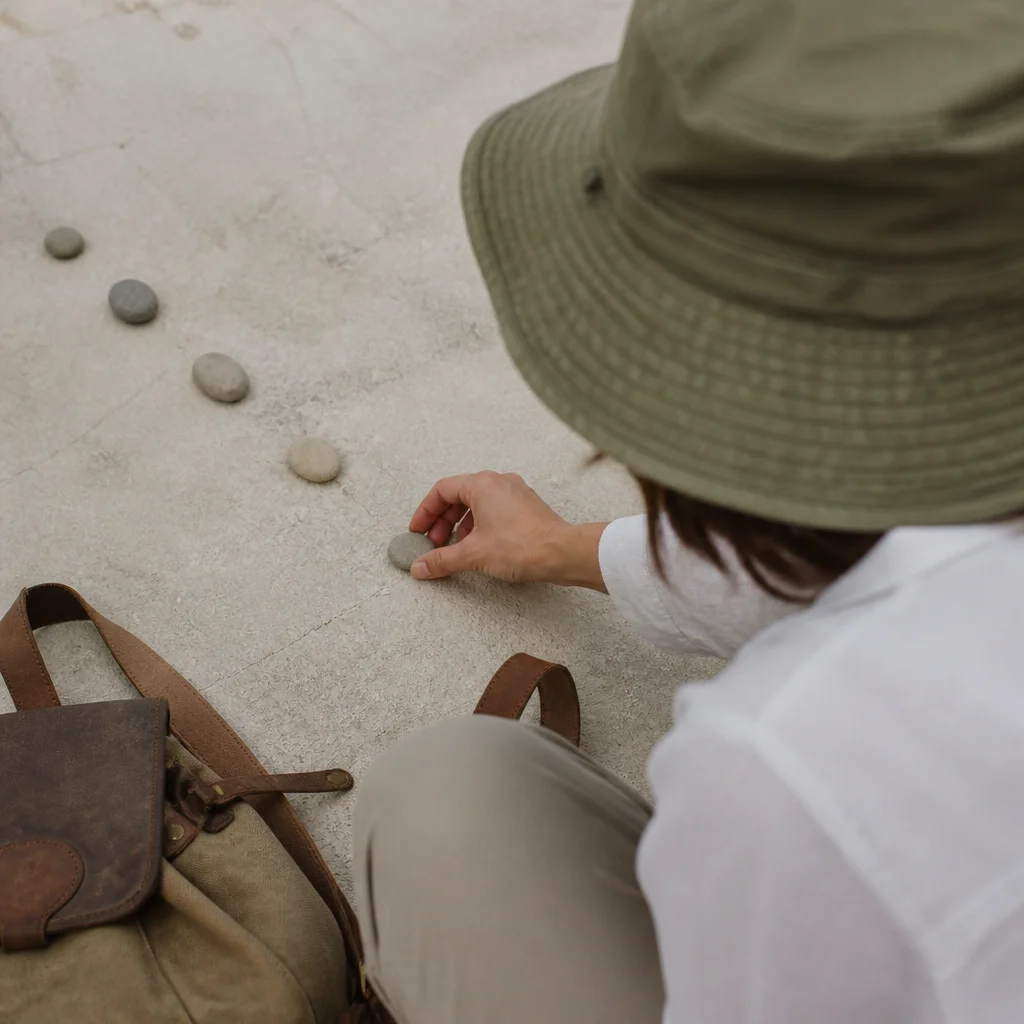
For somebody new to a group, a flat, unhurried sentence is one of those small signals that says the place is safe to be in; the unwritten-rules piece and going out in public as a three both go into that. It costs nothing to keep the sentence dull. Social media privacy is the other half: no photo of this moment goes up until the people in it have agreed to it.
The Debrief on the Way Home
Later, send one line: good to have you there, sorry about the rough bit if there was one, and leave it. Do not ask the person who turned back to grade how the group did; a request for reassurance is a weight of its own, and most people will answer ‘fine’ just to close the subject.
Keep only the practical bits: a meeting spot nobody could find, a pace group that formed along couple lines, a sentence that worked. Those notes help with the next walk and with future check-ins about how the group prefers to run these days. Writing a relationship agreement is the fuller version for anyone who likes an approach set down in words.

When something genuinely went wrong, repair after a conflict is the place to start: name the exact thing, apologise for that, and expect no answer. Chosen family and holidays and special occasions are both about a patience measured in years, which is a useful scale to remember after one difficult afternoon.
What Not to Make Turning Back Mean
A decision to turn back is not a referendum on the group, on a relationship, or on whether someone was welcome. It is a piece of information about one person’s afternoon. The kindest reading is also the most accurate one, and it costs nothing to keep. Turning back happens on ordinary walks all the time; it only becomes a story when somebody insists on telling one.
If the walker on the outside is the one who left, self-worth in non-monogamy and advocating for yourself speak to that directly; if the group is tempted to puzzle over reasons later, the privacy guide is the check on it. What someone says about their own connections stays theirs, and a junction is no place to request it. Coming out and how much to disclose remain individual choices, never a group verdict.
| If you catch yourself thinking | It usually is | A better reply |
|---|---|---|
| ‘They are sending a message about us’ | A tired person who wants to be home | ‘No problem, see you at the cars.’ |
| ‘We need to talk about this now’ | A decision that does not need an audience | ‘Let us catch up tomorrow instead.’ |
| ‘This reflects on the whole group’ | One person’s afternoon, not a verdict | Nothing, and mean it. |
A kindly meant question asked in front of eight faces can travel a long way, which is the subject of what to do if someone is outed; don’t-ask-don’t-tell versus full disclosure sets out how to leave the reasons with the person who owns them. The APA material on families is a broad outside source on how much variety a group of close people can hold. The useful reply is shorter than any of that: say almost nothing.
Does turning back mean the person did not enjoy the group?
Rarely, and pressing for a reason will not produce a truer one. Accept the plain explanation, offer ten minutes or the shorter loop, and stop there. The organiser’s view of the same day is where the groundwork for this gets laid. General information for adults, not advice.
Who should walk back with them?
One other walker at minimum, and agree the rule before setting out rather than haggling at the junction. Enthusiastic consent is the larger principle behind not leaving somebody alone because everyone else carried on. With a small group, all of you taking the short way back is a fine result.
Should we ask why they want to stop?
Ask if they are finished or would ten minutes help; leave ‘why’ out of it. A why calls for a defence, and nobody who is tired should have to assemble one. Different communication styles is useful here – a clipped line suits one person, a warm deflection another.
What if this is about pain, breathlessness, or the weather?
Believe them, stop, and take the shorter route. Anything medical belongs to the person and, where needed, a clinician; NHS exercise guidance is a plain starting point rather than a diagnosis. General information, not medical or outdoor-safety advice.
A group does not need to understand anybody’s private life to handle this kindly. One short question, one borrowed line, a rule that two people go back together, and a decision taken without gathering everyone round: that covers it. Most such moments are remembered as a pause on a path, nothing larger.
Turning back goes well when it stays small. Read the ordinary reason first, put two plain options on the table, keep nobody walking solo, and accept a no on the spot. Then turning back on a group hike is just a person heading home a little early, and the rest of the walk carries on. More plain-language guides on days like these are right here at 3Cupid.
Editor’s note: written for adults as general information; this is not medical, legal, or outdoor-safety advice. Pain, tiredness, weather and land access are genuine conditions – follow the local trail guidance, check the forecast, and put health questions to a qualified professional. No figures, borrowed anecdotes or promises about how any turning back on a group hike will unfold appear here. Nobody at a rest stop should be asked to justify a relationship or a medical detail, and nobody’s reasons should be talked over afterwards without their say-so. Where a constraint is genuine, name it to everyone early and in the same words.